
The interactive educational program Dive with us! will also be available in the 2025/26 school year. If you are interested or would like to register, please contact us by phone or email using the contact details below.

We are delighted to receive first-hand feedback about how children and teachers experience the Dive with Us! program. This time, teacher Eszter shared her students' thoughts with us. Here are the children's honest responses:
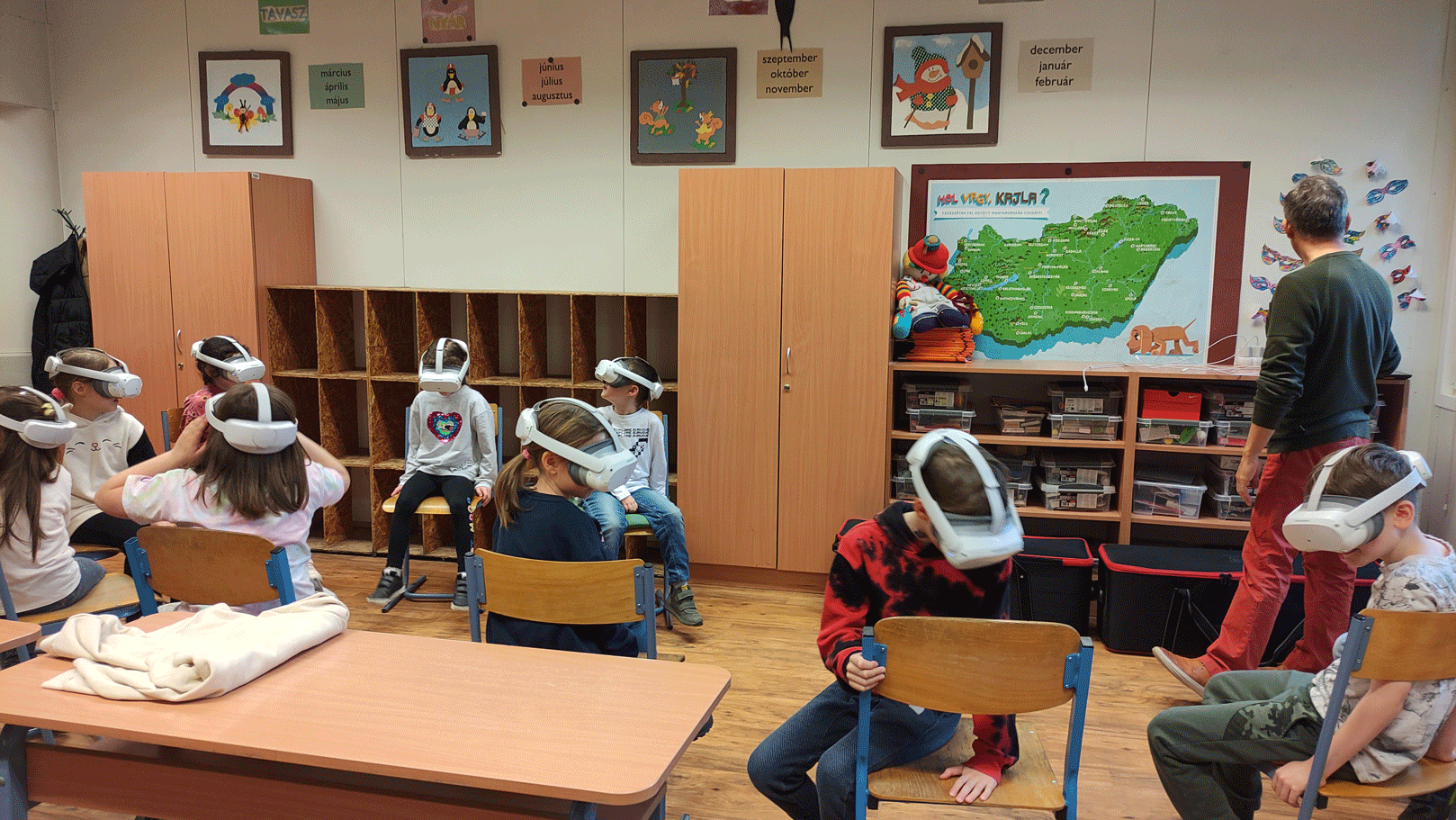
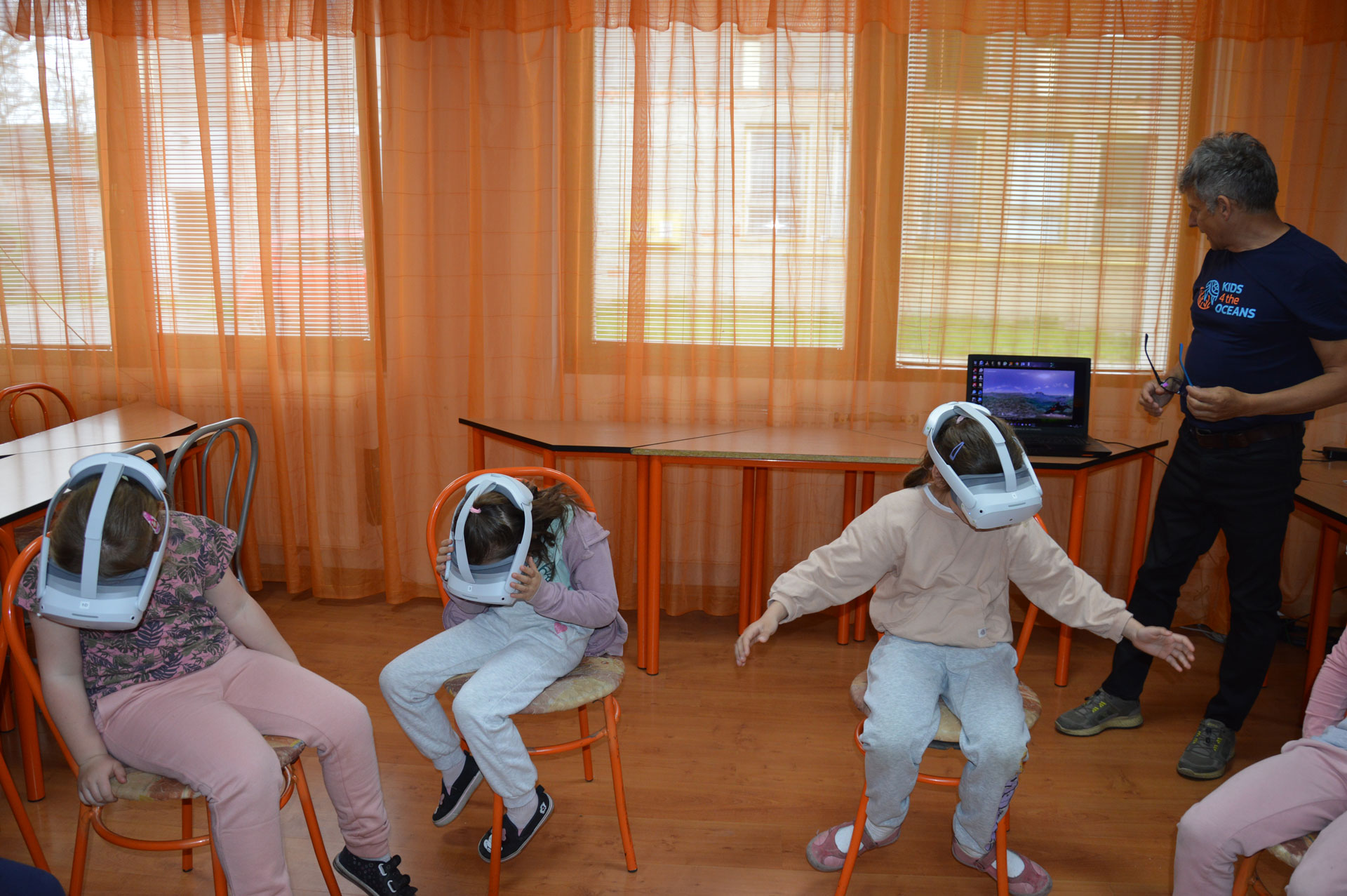
“They unanimously said that the VR glasses were fantastic! Many of them had never encountered this technology before and found it fascinating. Many said that it was also a great experience for them to be able to touch the things you brought, especially the shark. During the presentation, they emphasized that it was very colorful and very interesting, and they really liked that the children also spoke. They also said that they heard things they had never heard before or very little about, so they had no trouble paying attention. Some said that what they liked best was that it was completely tailored to them. You spoke to them in their language, at their level, and in line with their interests.
They unanimously said that they could have listened, watched, and “touched” the presentation for at least another hour.
Overall, everyone said it was one of the most fantastic presentations they had ever heard or seen… And what’s more, not only the children, but also their seasoned colleagues were completely impressed. “
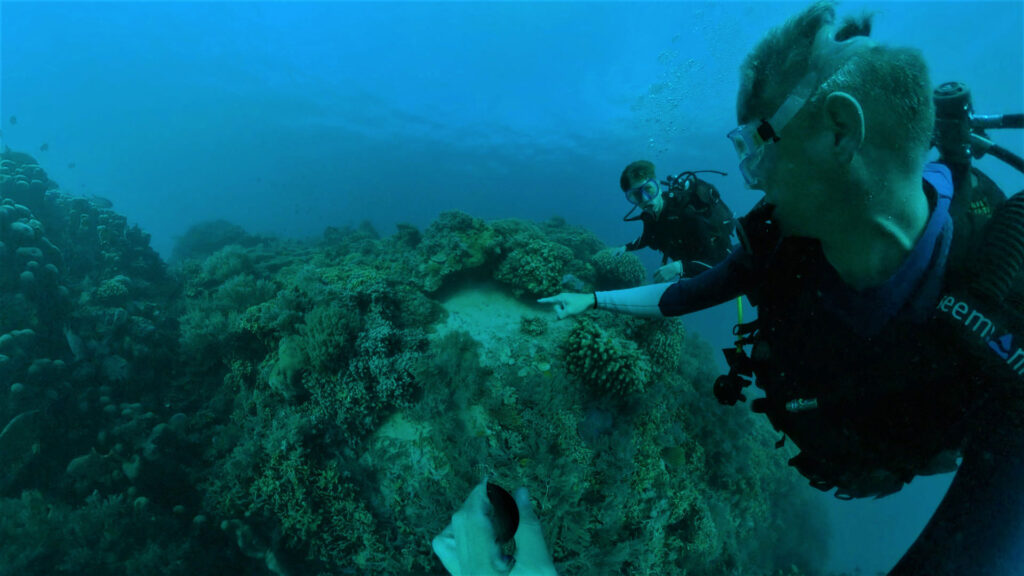
"DIVE WITH US!"
An educational programme for primary school pupils.
Scuba diving in environmental, science or biology class?
With us it is possible!
Take a deep breath and dive into a world of corals, rays, turtles and sharks. Find out what threats these magnificent animals and what we can do to help them survive.

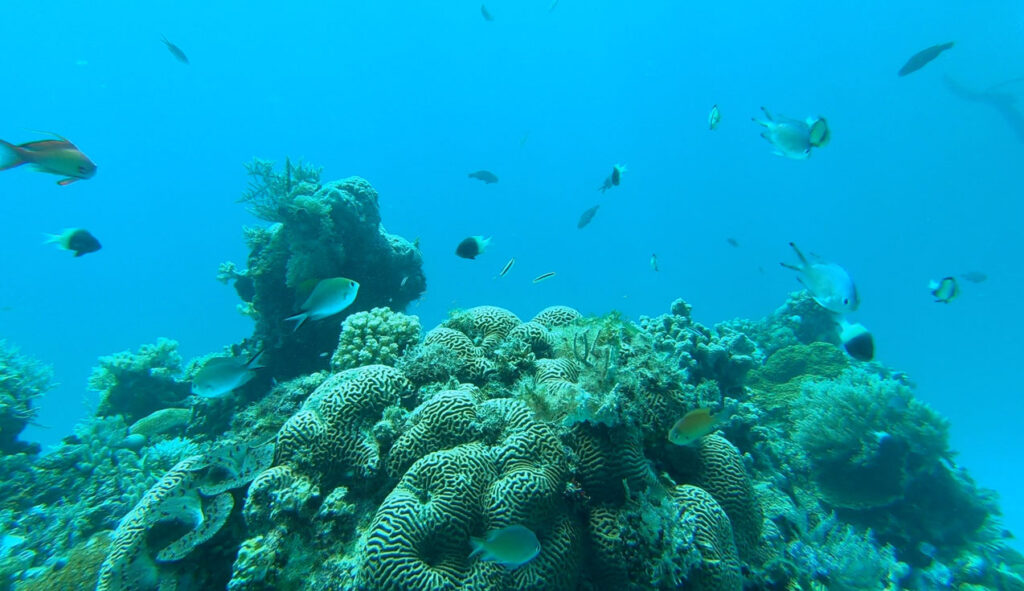
– Coral – animal or plant?
– Do you know what the white sand of the beach is made of?
– Why do parrotfish wear pyjamas at night?
– How can corals send messages to each other?
– How does an underwater wellness centre work? – brushing teeth, body care, manicure, and pedicure on the coral reef.
– We’ll also find out how much carbon dioxide seagrass fields and mangrove forests absorb and how
they contribute to preserving our planet.

Earth Day, World Water Day, World Oceans Day, World Environment Day, World Day for Our Earth - many, many links to a very topical issue.
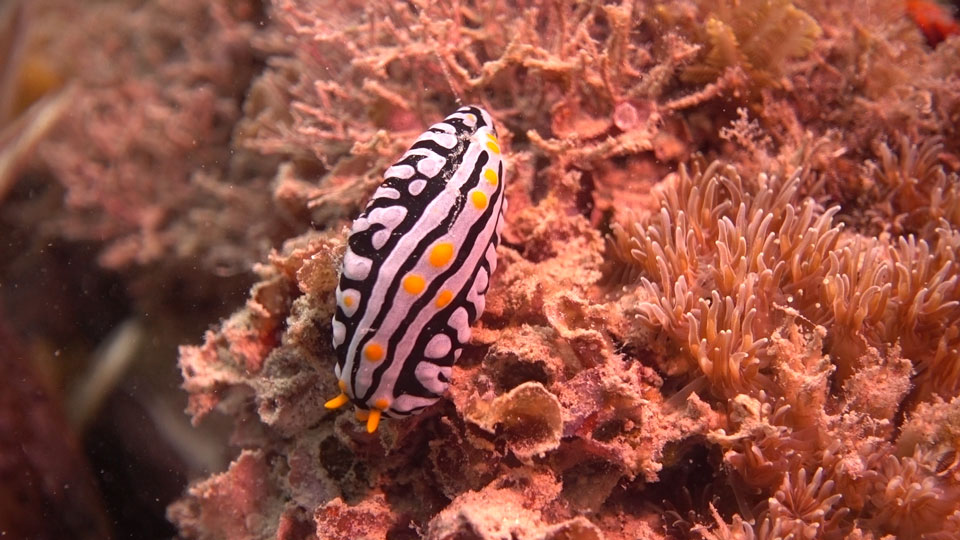
Kids for the Oceans was founded to educate the next generation about the threats to ocean life. Our professional leader, Emil Karáth, is a biologist-ecologist. Although we have no direct geographical connection to the sea or the ocean, we believe it is important for young people to learn about the underwater world. With ¾ of our planet covered by oceans and seas, so we shouldn’t call our planet Earth, but Water. A quarter of all marine life is found on coral reefs. We will show students this amazing ecosystem.
We deeply believe that by empowering children and young people we can achieve our goal. That is why we are launching an education programme for primary school pupils.
These one-hour educational lectures are a valuable addition, as children learn little or nothing about these ecological processes at school. Underwater ecosystems play an important role in slowing climate change and reducing the amount of carbon dioxide in the atmosphere. We believe it is important that pupils have access to up-to-date information on sustainability and the environment. At the end of the 45-minute sessions, children will get a unique insight into the world of the oceans: at the end of the presentation, they will be able to dive with us into the depths of the seas using VR glasses. This innovative solution will allow many students who might not otherwise be able to do so to get up close and personal with marine life.
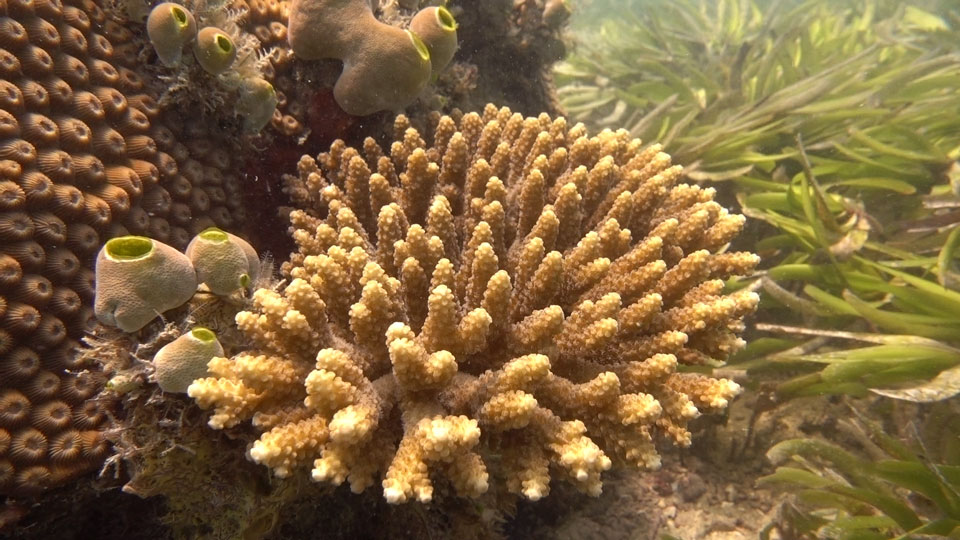
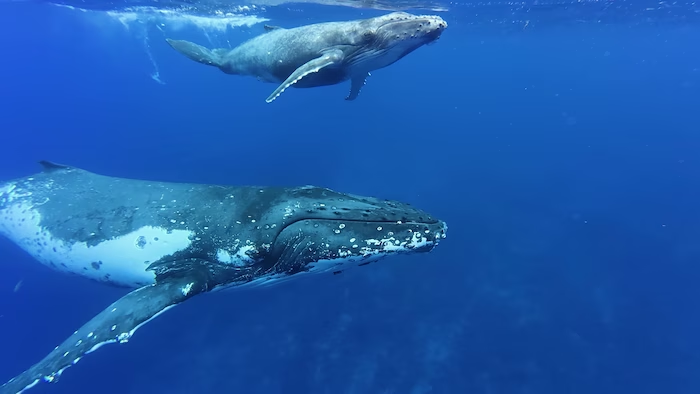
WHALES
Whales are the GUARDIANS of our planet. They are unique marine mammals that are highly intelligent and play an important role
in the life of the oceans.
– Do you know how whales evolved?
– Have you heard that they used to live on land?
– Who was Basilosaurus?
– Do you know about long-finned whales?
– Do you know how many kilometers they swim during their migration?
– Have you ever heard whales sing?
– How does a mother whale protect her calf and watch over it at all times?
– Do you know what whale milk is like?
– How many minutes can they stay underwater on one breath?
– What dangers threaten these huge, peaceful giants?
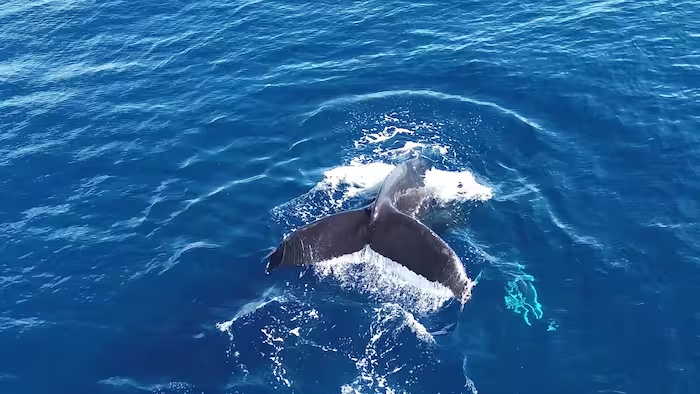
For the material for the presentation on whales and the making of the VR film, we traveled to French Polynesia to film and observe them up close. You can read a summary of this wonderful trip here:
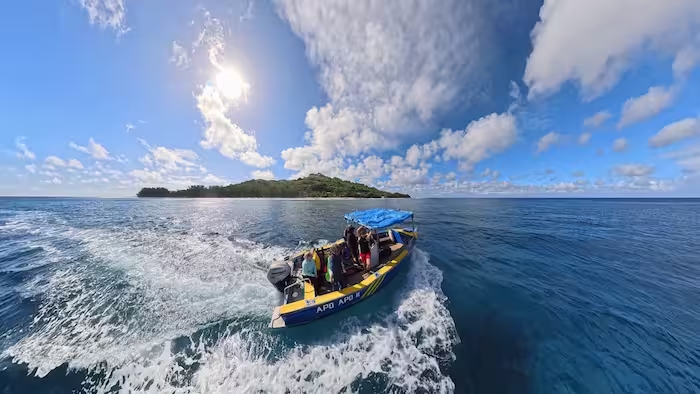
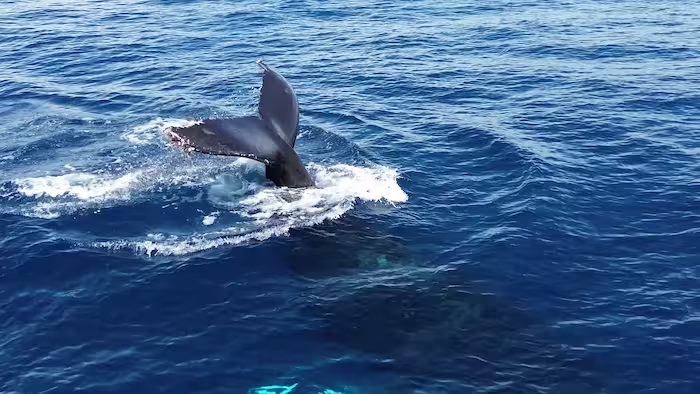
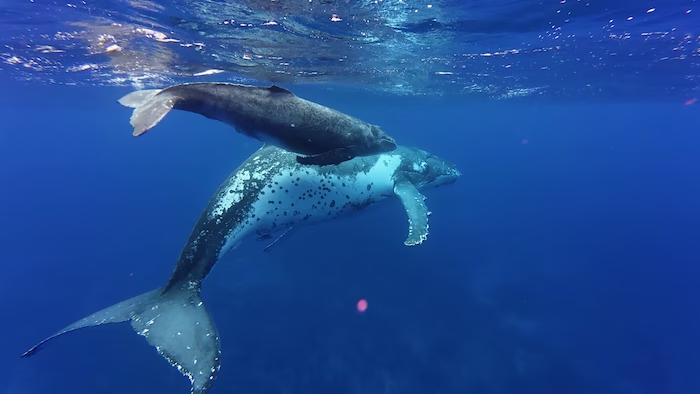
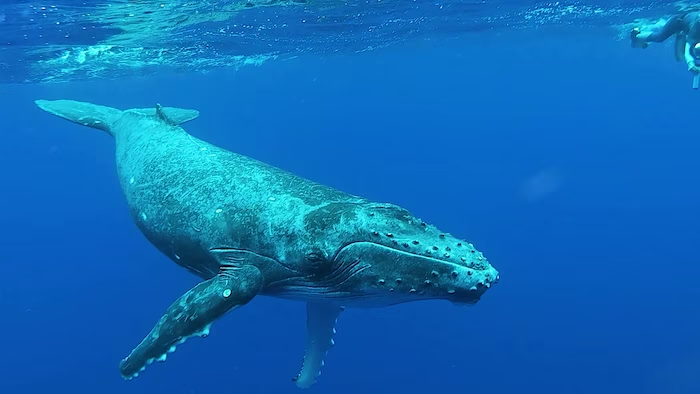
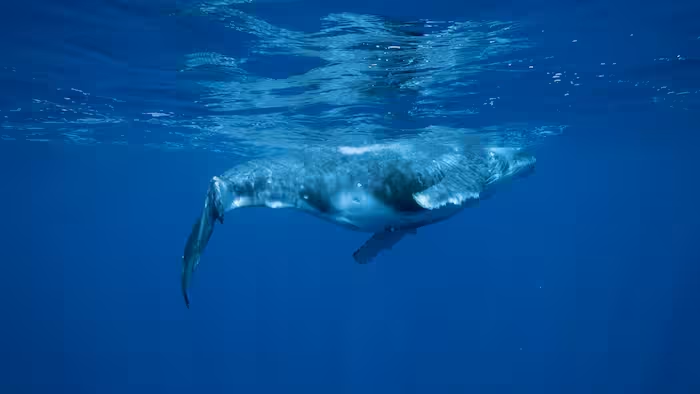
We returned from our three-week trip to the magical islands of French Polynesia – full of experiences, memories, and adventures. The purpose of our trip was to observe long-finned whales, but in the end, we got much more than a simple expedition.
We witnessed incredible moments: mother whales and their calves, only a few weeks old, swimming peacefully together, playing and communicating with subtle signals. Each encounter was a story in itself.
We spent eight hours a day on the ocean, searching for whales and filming them. Sometimes luck was on our side and we were able to see these impressive giants up close, but there were also mornings when we searched the horizon in vain and they did not appear.
We collected data on the whales we observed in a database, supporting the work of Professor Michael Poole, who has been researching whales and dolphins in the waters of French Polynesia since 1987 and has built up an incredibly rich catalog of individuals identified from photographs. The catalog is maintained at the Hatfield Marine Science Center at Oregon State University.
Each whale is given its own “passport” – a photo of the underside of its tail serves as its fingerprint. And every time we see the same individual again, or other researchers observe it, another “stamp” is added.
This method has helped to prove that some of our “friends” travel to the breeding grounds of the southern Pacific Ocean: they have been to the Cook Islands, Samoa, Tonga, New Caledonia, and there is even overlap with the population living on the west coast of South America. Almost every individual has been identified in the important feeding grounds of Antarctica.
We have also managed to record the whales’ songs on several occasions. The song of the long-finned whales is one of nature’s most fascinating and complex sound phenomena. These sounds are not just noise—they form complex, repetitive patterns that male whales “sing,” mainly during the mating season.
Only male humpback whales sing, and it is likely that their singing is related to mating communication, attracting females, or competition between males. A song can last 20-40 minutes and can be repeated for hours.
Whale songs are composed of hierarchically organized units:
- Sound: a single sound or motif.
- Phrase: a short section consisting of a few sounds.
- Theme: a group of repeating phrases.
- Song: a series of themes that repeat cyclically.
Songs change gradually over time, but males in the same population always sing the same version in a given season — a form of “cultural learning” that is rare in the animal world. The sounds can be heard up to tens of kilometers away in the ocean.
Whale watching is regulated by strict rules. There are few places in the world where it is permitted to swim with these giants. Boats can only approach them to a maximum distance of 100 meters, so we often had to swim hundreds of meters in the open ocean to catch up with the whales. To protect their peace, you can only swim with them with a free lung—the French authorities take this very seriously, so every day we had an official escort on the boat who monitored compliance with the rules.
However, the weeks spent in the Pacific Ocean also presented many challenges. The weather often put us to the test – strong winds, rain, waves – but every difficult condition made the experience even more special. The underwater technology and the use of 360° cameras were also a serious challenge, as operating the equipment in strong currents and deep water was not without risk. All this served the purpose of enriching the next part of our educational program, Dive with Us!, with another exciting VR experience and spectacular visual material.
And while we were in French Polynesia, we not only spent long days on the island of Rurutu, but also visited the islands of Tahiti, Moorea, and Bora Bora. We were amazed by the beauty of nature—the lush green of the volcanic mountains, the light of the turquoise lagoons, and, of course, the diversity of underwater life. We swam with eagle rays, blacktip reef sharks, lemon sharks, nurse sharks, and countless coral reef fish.
It was an adventure of a lifetime – at once scientific, close to nature, and deeply human. Now we are working to make this experience available to students as well.

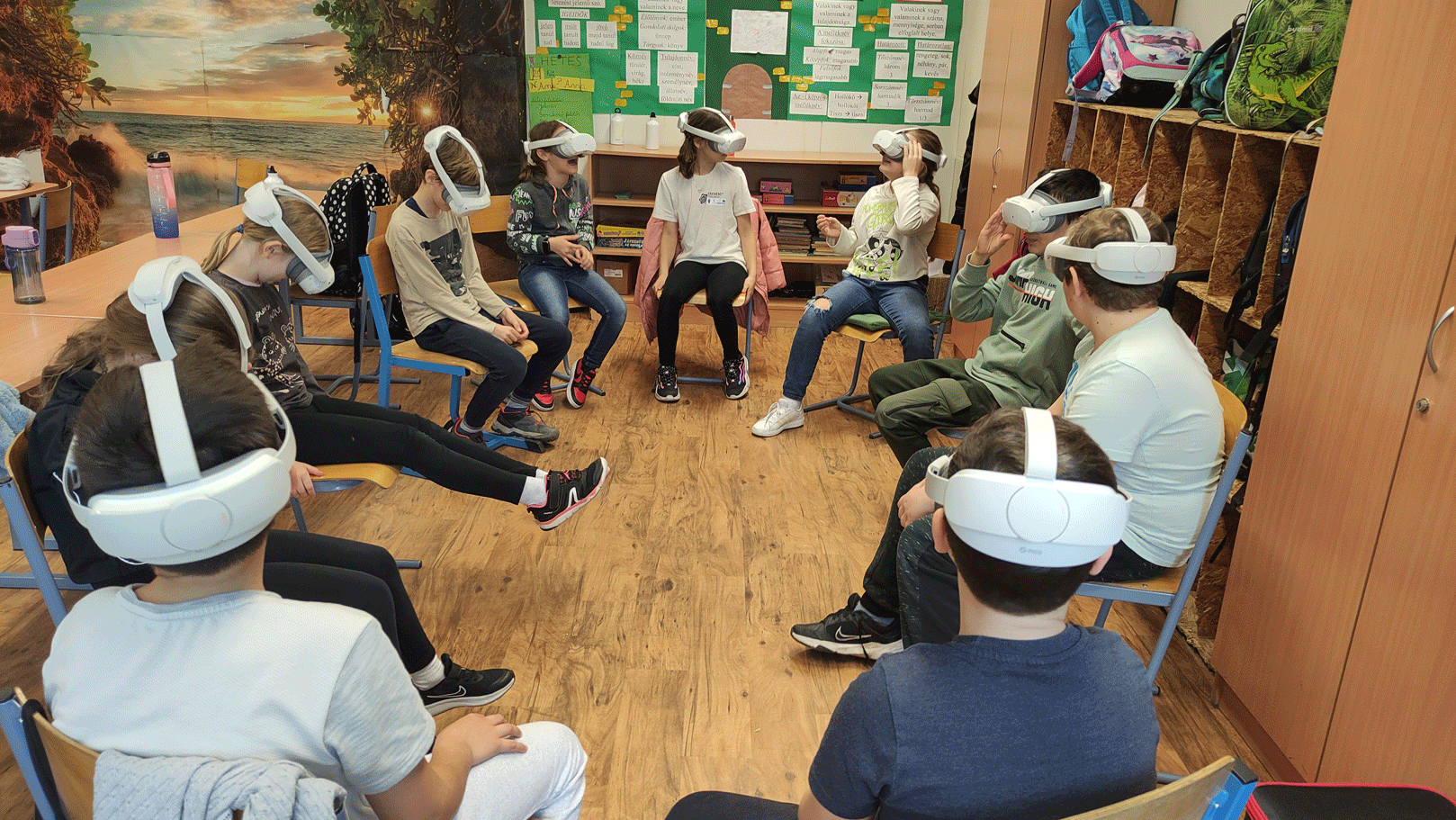
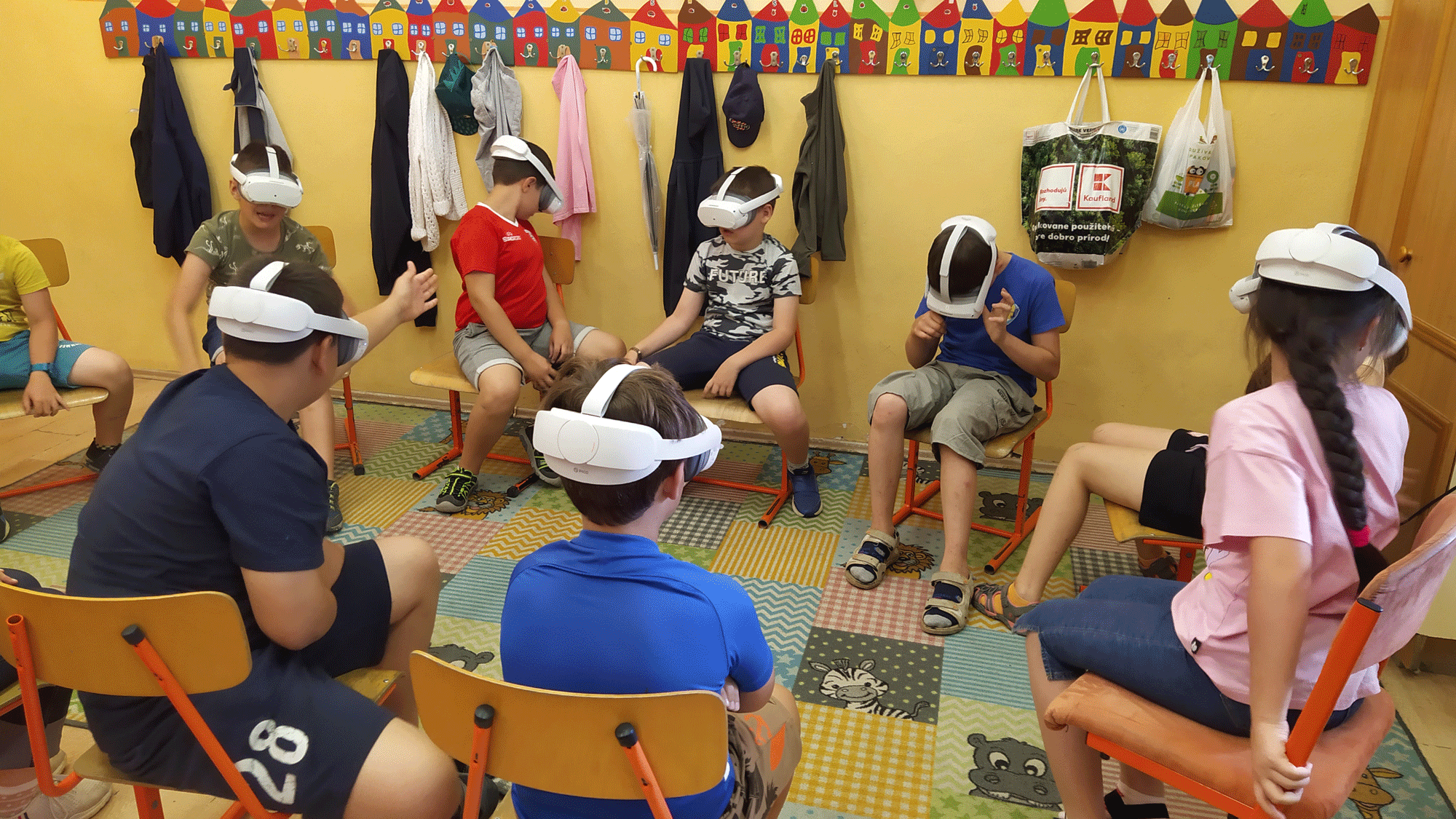
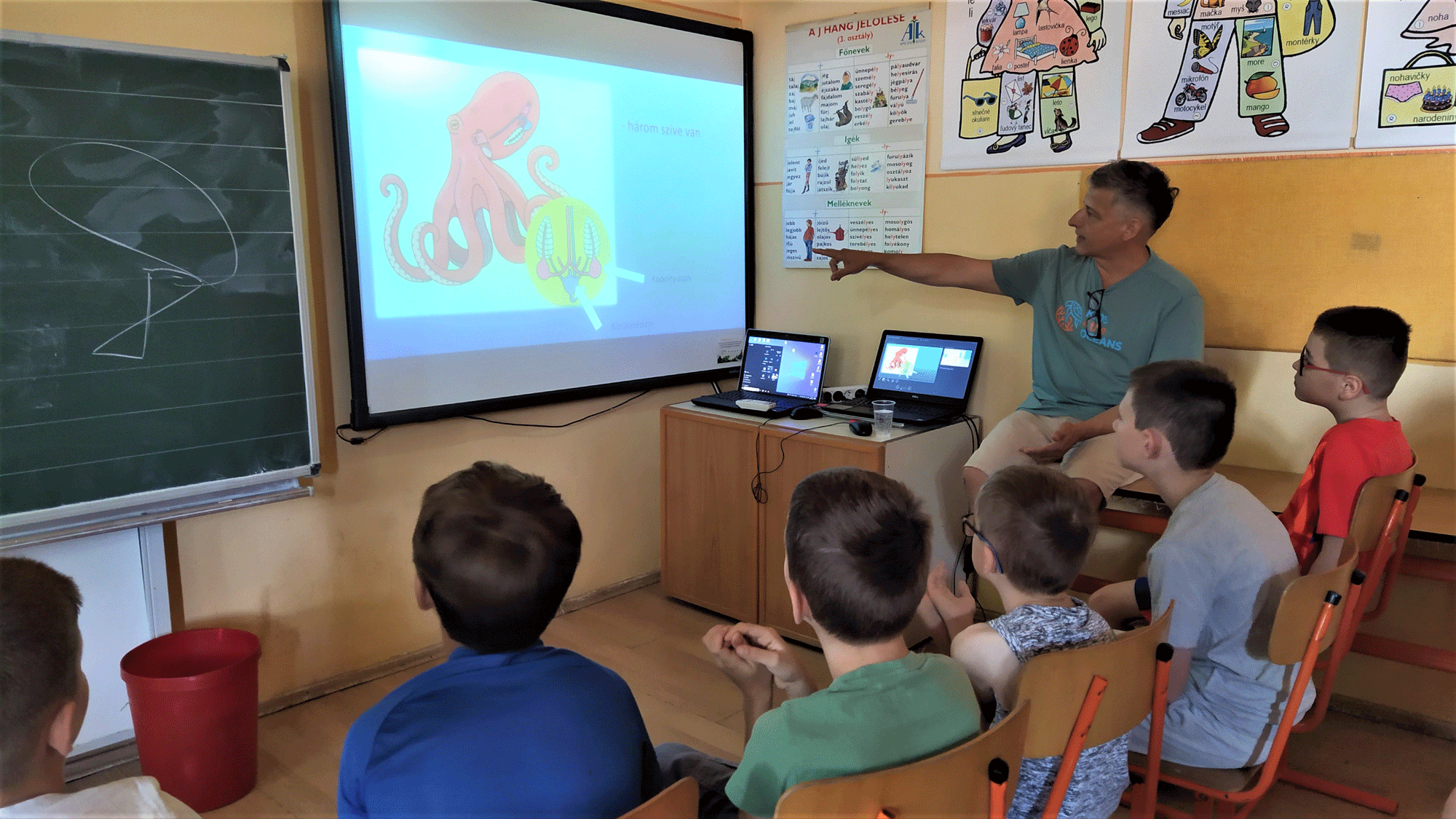
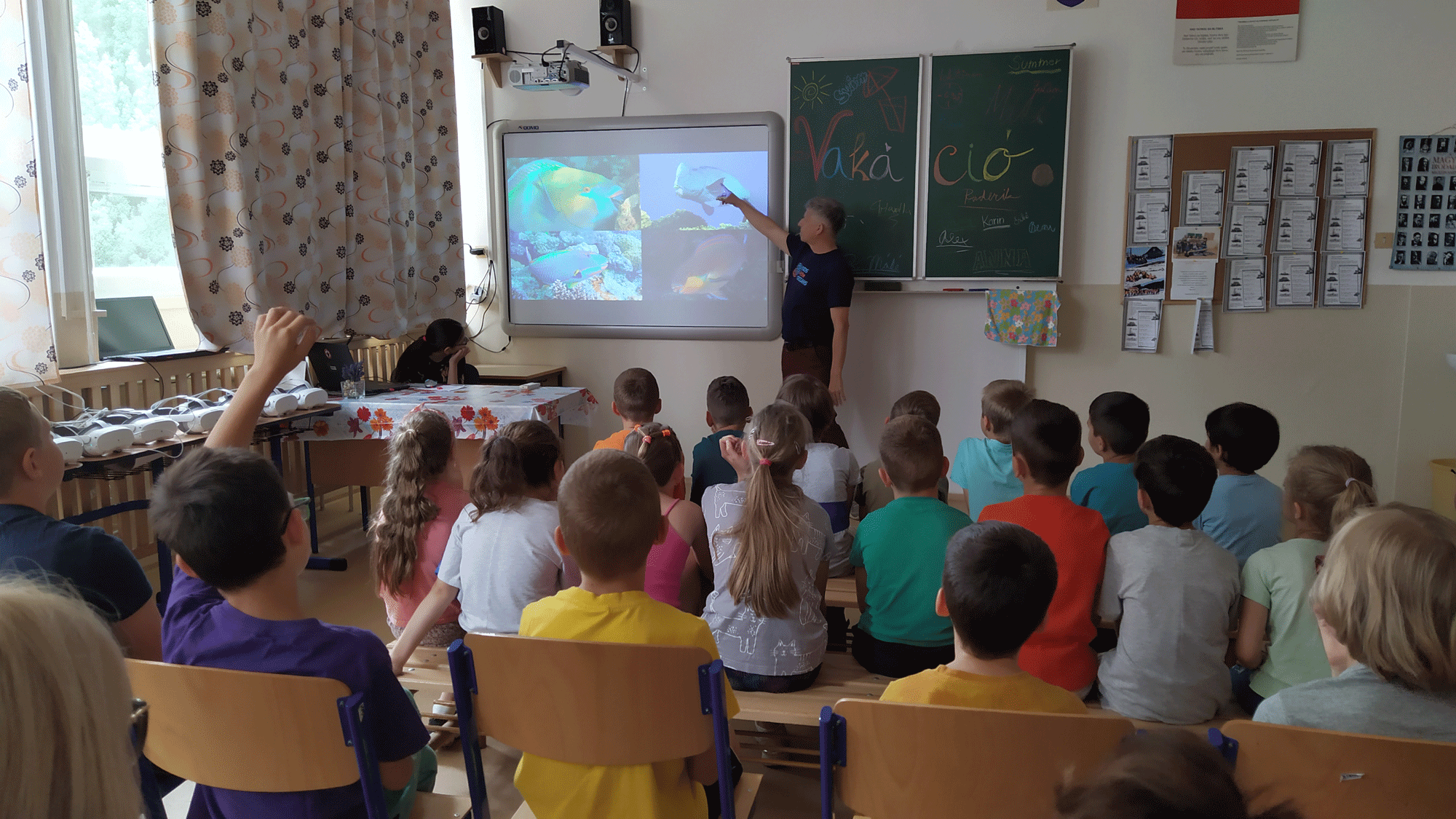
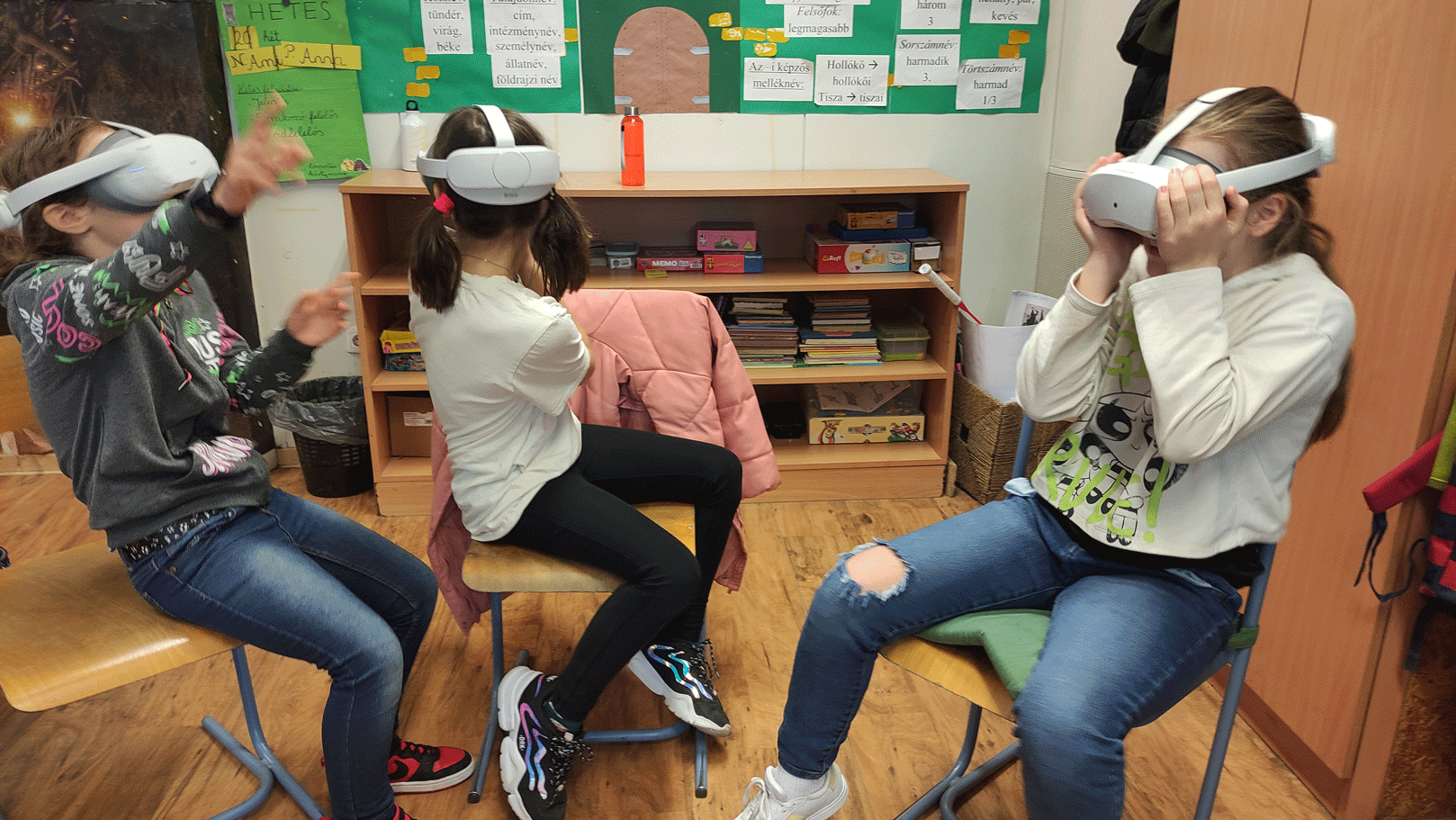
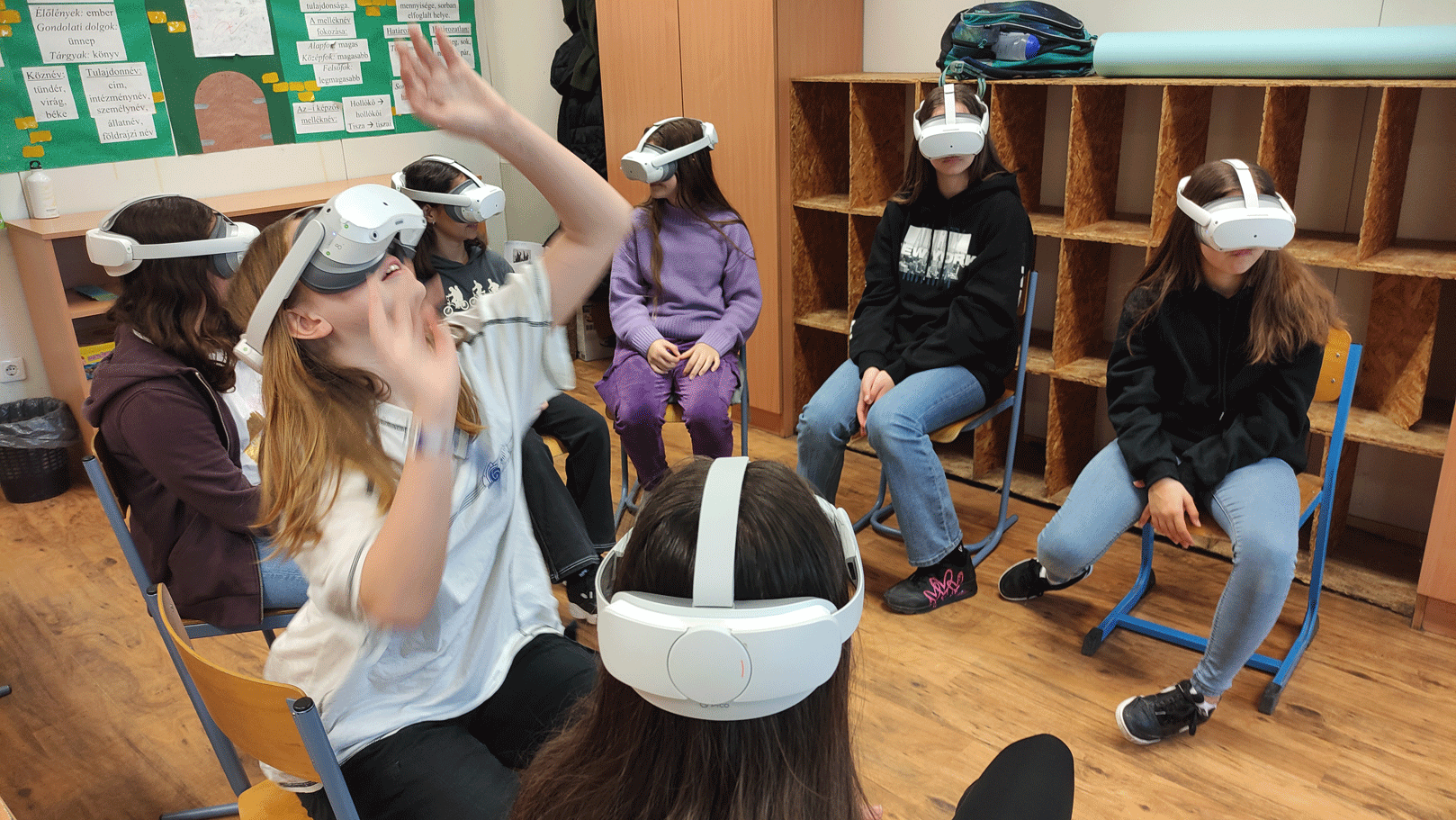
The educational lesson lasts 45 minutes, the first part of which consists of a lecture and the second part of which allows students to "dive with us" through VR glasses and see the underwater world.
VR glasses let you turn your head wherever you want. You can watch whatever you want. You can look wherever you want, there are no limits and there’s no “just forward”. You can enjoy a world of coral reefs that you can see 360 degrees.
A technical necessity::
- Power supply
- WIFI
- Projector
- Projection screen (or flat wall surface)
The cost of the program is
2,500 HUF/student.
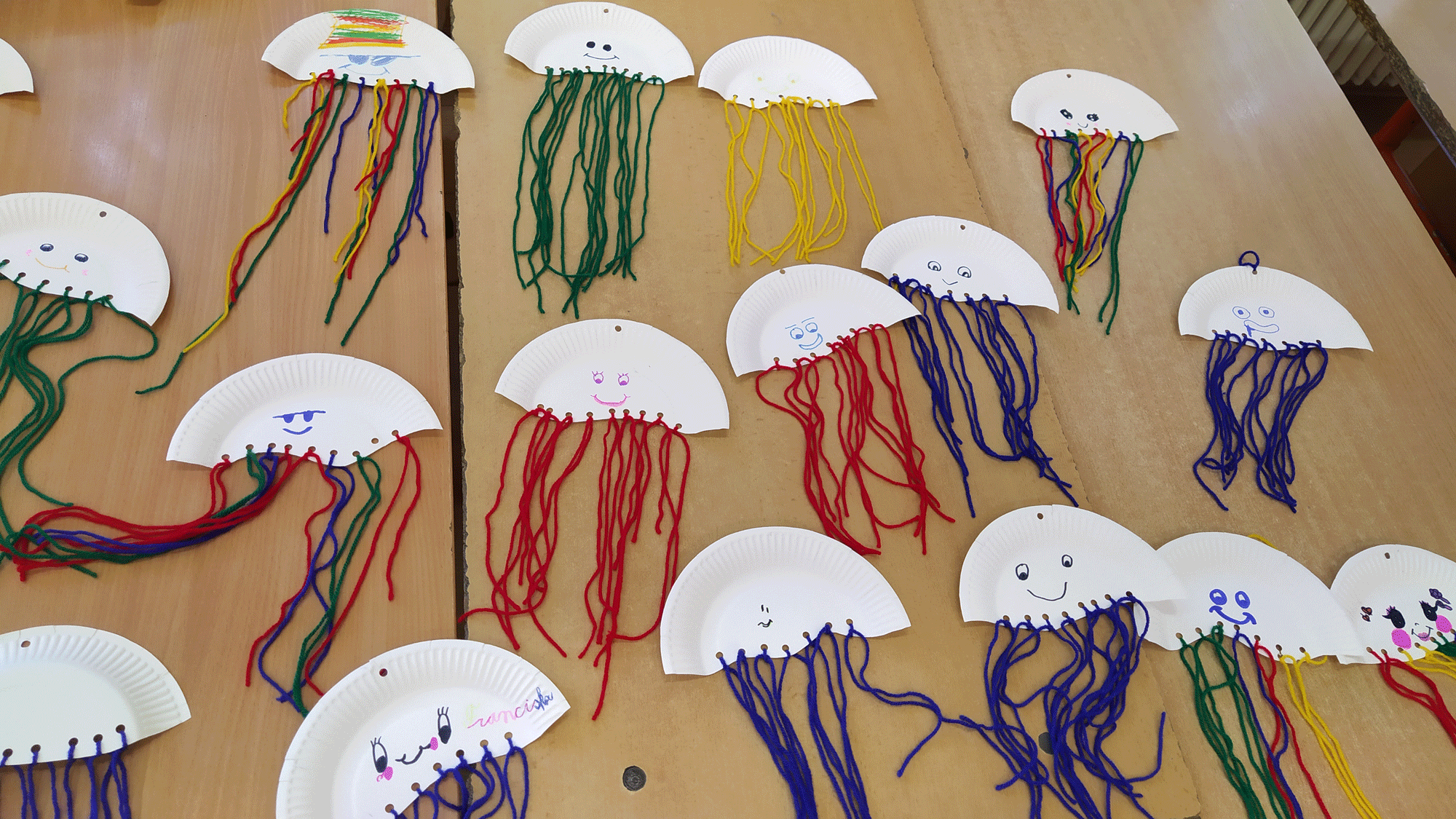







"DIVE WITH US!"
Educational program for high school students.
Scuba diving in environmental, science or biology class?
With us it is possible!
Take a deep breath and dive into a world of corals, rays, turtles and sharks. Find out what threats these magnificent animals and what we can do to help them survive.
– Do you know how coral reefs were formed?
– What exactly are corals?
– How many types of coral are there?
– What type of symbiosis exists between corals and algae?
– What is the significance of coral reefs?
– Did you know that nearly half of all anti-cancer drugs come from marine organisms?
– Which type of reef can even be seen from space?
Earth Day, World Water Day, World Oceans Day, World Environment Day, World Day for Our Earth - many, many links to a very topical issue.
Kids for the Oceans was founded to educate the next generation about the threats to ocean life. Our professional leader, Emil Karáth, is a biologist-ecologist. Although we have no direct geographical connection to the sea or the ocean, we believe it is important for young people to learn about the underwater world. With ¾ of our planet covered by oceans and seas, so we shouldn’t call our planet Earth, but Water. A quarter of all marine life is found on coral reefs. We will show students this amazing ecosystem.
We firmly believe that by raising awareness among students we can achieve our goal.
That is why we are launching an educational program for middle school students. These one-hour educational lectures fill a gap, as students learn little or nothing about these ecological processes at school. Underwater ecosystems play a significant role in slowing down climate change and reducing the amount of carbon dioxide in the atmosphere. We believe it is important for students to have access to up-to-date, fresh information on sustainability and environmental protection.
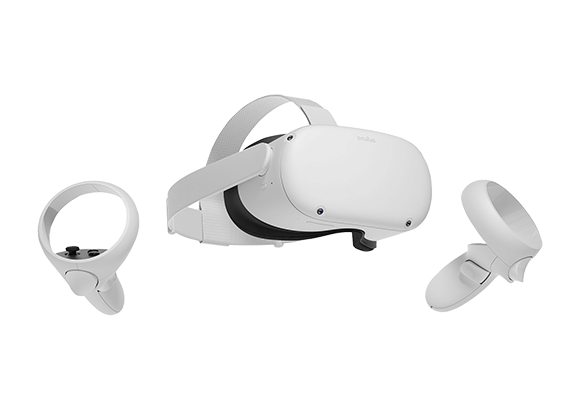
At the end of the 45-minute sessions, students can gain a unique insight into the world of the seas: at the end of the presentation, they can dive with us into the depths of the seas and oceans with the help of VR glasses.
This innovative solution allows many students who would otherwise not be able to do so to get up close and personal with marine life in a virtual environment.
A technical necessity::
- Power supply
- WIFI
- Projector
- Projection screen (or flat wall surface)
The cost of the program is
2,500 HUF/student.
Emil Karáth, biologist, founder, president and professional leader of Kids for the Oceans:
Passionate about marine life, an experienced diver, a selected multiple world and European silver medal orienteering diver champion, a dedicated conservationist… and in between periods a freelance cameraman on land and underwater
He graduated as a biologist-ecologist from the University of Debrecen, writing his thesis on coral ecology.
He has worked with several international teams in various expeditions and environmental projects as the only Hungarian. He has been involved in several initiatives to protect marine ecosystems. He was the only Central and Eastern European participant in the world’s first coral reef research as part of a Swiss team in the Maldives in 1997. They measured the health of the coral reefs and sent the data to the University of Hong Kong, along with scientists from other parts of the world. The following year, almost 90 percent of the coral reefs in this area were destroyed by a natural phenomenon known as El Nino. He made a documentary film (the first of its kind) about this research, which won first prize in two film festivals.
In 2000, the Tropicarium was opened in Budapest. Perhaps this was the only workplace where you could work with marine biology at that time in Hungary. Emil was the biologist of the Tropicarium, so he participated in its creation. He had to transform a concrete hall into a tropical habitat: he arranged aquariums and terrariums, wrote and edited texts for animal information boards, caught alligators and brought them home from Sweden, and swam sharks from Florida under his arm to bring them out of their shock state after being transported. Here he dived with his pets, the sharks, every day. He became such a close friend with them that he almost gave his little finger to one of the hungry sand tiger sharks during one of the feeding shows. Thus, Emil became the survivor of the first shark attack in Hungary (fortunately, only a small scar remained on his finger after the incident).
Over the last twenty years he has been involved in several marine research and underwater filming projects. One of these was a 100-day project in the Grand Cayman Islands with an international team. The crew consisted of Australian, American, Scottish, and South African members. Their task was to produce 2 live, interactive broadcasts per day of the coral reef life around the island for the World Wide Web. The presenting biologists introduced viewers to the animals and plants around them underwater. Meanwhile, the biologists answered questions from viewers live.
Students have participated in our programme so far.
6340
PLEASE CALL or to WRITE US!
For more information about the educational lectures, reach out to one of us: